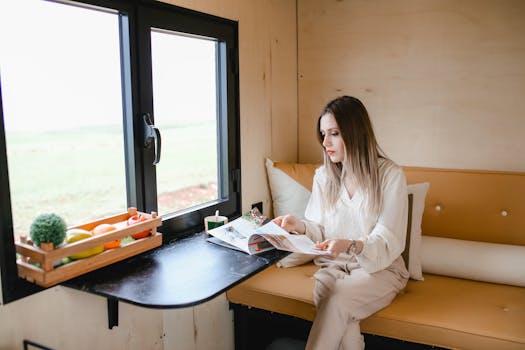

The allure of a tiny home is undeniable: a life of simplicity, financial freedom, and a direct connection to nature. But the romantic image often overlooks the intricate, often demanding, process of actually designing your own tiny home. It’s more than just picking out cute fixtures; it’s a deep dive into your own needs, a wrestling match with space constraints, and a keen understanding of regulations. Have you ever stopped to consider what truly goes into crafting a living space that’s smaller than most walk-in closets, yet needs to function as a complete home? It’s a fascinating puzzle, and one that requires far more thought than a quick Pinterest board might suggest.
Beyond the Square Footage: What Drives Your Tiny Home Vision?
Before you even sketch a single line, ask yourself: why tiny? Is it a desire for a minimalist lifestyle, a need for affordability, or perhaps a mobile living solution? Understanding your core motivation is the bedrock upon which successful design your own tiny home projects are built. This isn’t just about aesthetics; it’s about deeply understanding how you live. Do you entertain often? Are you a gourmet chef who needs extensive kitchen space, or do you prefer simple meals? Are you a digital nomad who requires a dedicated, ergonomic workspace?
These aren’t minor details. They are the critical questions that will shape every inch of your tiny dwelling. I’ve seen brilliant designs falter because the owner didn’t truly assess their daily habits. For instance, a designer might prioritize a grand shower, only for the occupant to realize they spend more time needing ample storage for books than luxuriating in water. Thinking about your long-term needs, not just your current ones, is also paramount. Will this space grow with you, or will it become a restrictive box?
Navigating the Labyrinth of Tiny Home Design Principles
Once you’ve clarified your “why,” the “how” becomes a thrilling, albeit challenging, exploration. Designing your own tiny home inherently demands ingenuity. Every square inch must serve a purpose, and often, multiple purposes. This is where creative problem-solving truly shines.
#### Maximizing Multifunctionality: The Heart of Small-Space Living
Furniture as Feature: Think about sofas that convert into beds, dining tables that fold away, or ottomans with hidden storage. These aren’t just furniture pieces; they are essential architectural elements in a tiny home.
Vertical Space is Your Friend: Don’t neglect the ceiling! Lofts for sleeping, high shelving for storage, or even hanging planters can dramatically increase your usable space. It’s about looking up as much as you look around.
Hidden Compartments: Built-in drawers under steps, secret cubbies within walls, or cleverly disguised storage solutions can be a lifesaver for maintaining that coveted clutter-free environment.
#### The Art of Illusion: Creating a Sense of Spaciousness
It might seem counterintuitive, but designing a tiny home often involves creating the illusion of more space. This is where thoughtful material choices and strategic layout become crucial.
Light and Bright: Light colors on walls and ceilings reflect light, making spaces feel airier. Consider large windows or skylights to maximize natural light.
Mirrors, Mirrors Everywhere: Strategically placed mirrors can do wonders for expanding visual space. They bounce light and create depth.
Open Layouts: Minimizing interior walls can make the entire home feel more expansive, even if the total square footage remains the same.
The Unseen Giants: Utilities, Regulations, and Practicalities
This is where many aspiring tiny home dwellers encounter their first major hurdles. Designing your own tiny home isn’t just about aesthetics and functionality; it’s also about compliance and comfort.
#### Building Codes and Zoning: The Unavoidable Hurdles
The dream of a tiny home can quickly run into the reality of local building codes and zoning laws. These vary wildly by location, and understanding them is non-negotiable.
Foundation vs. Wheels: Are you building on a permanent foundation or a trailer? This distinction significantly impacts regulations. Tiny homes on wheels are often classified as RVs, which have their own set of rules.
Minimum Square Footage: Some municipalities have minimum living space requirements that a tiny home might not meet.
Utility Hookups: Where will your water come from? How will you handle waste disposal (septic, composting toilet)? What are your power needs (grid-tied, solar)? These are not afterthoughts; they must be integrated into the design from day one.
#### Essential Systems: Plumbing, Electrical, and HVAC
Efficient Systems: You’ll need to carefully plan your plumbing and electrical systems for efficiency. Consider low-flow fixtures and energy-saving appliances.
Heating and Cooling: Tiny spaces can heat up and cool down quickly. Choosing the right HVAC system (mini-split, wood stove, propane heater) is vital for comfort and energy consumption.
Personalizing Your Tiny Sanctuary: Beyond the Blueprint
Once the foundational elements are in place, the real magic of design your own tiny home unfolds: making it truly yours. This is where your personality and unique needs come to the forefront.
#### The Power of Personalization
Material Choices: From reclaimed wood to custom tile work, the materials you choose define the character and feel of your home.
Color Palette: How do you want your space to make you feel? A calming blue, a vibrant yellow, or a neutral palette?
Unique Features: Perhaps you dream of a dedicated reading nook, a small greenhouse window for herbs, or a custom-built ladder to your loft. These personal touches elevate a house into a home.
#### Considering Your Climate and Location
Your design must also be sensitive to the environment in which your tiny home will exist.
Insulation: Proper insulation is crucial for energy efficiency and comfort, especially in extreme climates.
Ventilation: Good ventilation is key to preventing moisture buildup and maintaining air quality.
* Outdoor Integration: How will your tiny home connect with its surroundings? Consider decks, patios, or large windows that frame beautiful views.
Wrapping Up: Is Your Tiny Home Dream Ready for Reality?
The journey to design your own tiny home is a profound exercise in intentionality. It forces you to confront your lifestyle, your priorities, and your resourcefulness. It’s a path that rewards meticulous planning, creative thinking, and a willingness to embrace a different way of living. While the challenges are real – from navigating complex regulations to maximizing every inch of space – the reward is a deeply personal, often liberating, sanctuary that truly reflects who you are.
So, as you envision your tiny abode, ask yourself: are you ready to move beyond the Instagram-perfect images and embrace the intricate, rewarding process of crafting a home that’s perfectly, and purposefully, small?